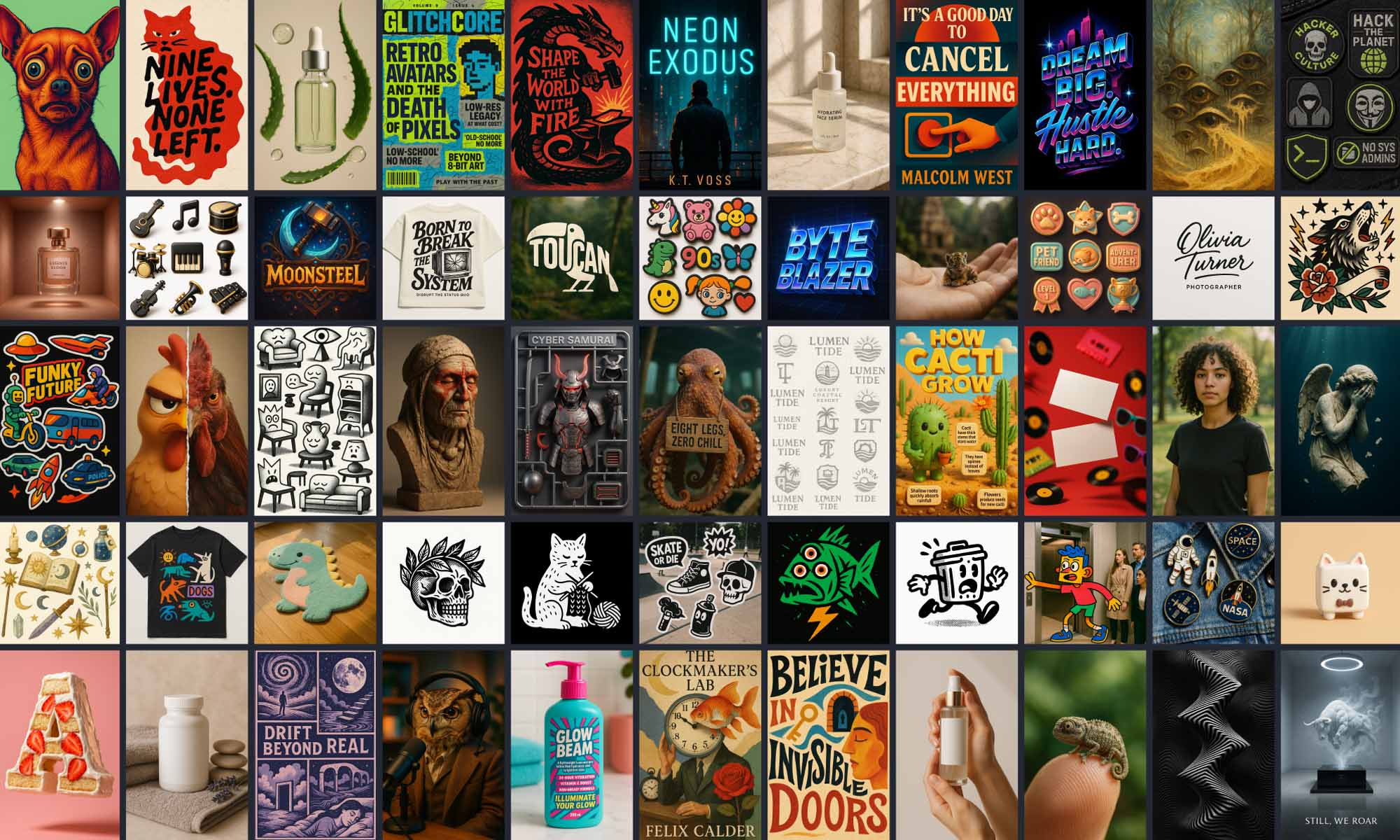
Turn Yourself Into Any Art Style With AI: The Prompt Guide for 2026

There's a moment that happens the first time you actually do this. You paste the right prompt, hit generate, and see a face rendered in the style of a Flemish master. Or filtered through a Kyoto animation studio. Or dragged into a rain-slicked neon city. And you just stop and stare.
AI portrait style transformation is one of the most searched creative techniques in 2026. Honestly, it makes sense. The results are genuinely stunning when you know what you're doing. The problem is most people don't, and generic prompts produce generic output.
I've built hundreds of image prompts from real client work over the last two years. The pattern I see constantly: people write "make it look like anime" and wonder why the result is flat. What actually works is a completely different approach, and this guide covers it.
Why Style Transformation Is Having a Moment
The "turn yourself into X" format hits something real: curiosity about how you'd look in another world, another era, another genre. Instagram and TikTok figured this out with filters years ago. But what's happening now is different. The outputs are gallery-quality. They're worth printing.
Renaissance portrait transformations went viral in early 2025 and never really slowed down. Anime-style selfies are a staple of creator content calendars. Cyberpunk character art fills Etsy stores. And ChatGPT's image generator in 2026 handles artistic consistency and fine detail in ways that were genuinely impossible two years ago.
So whether you're building a social media brand, running a print-on-demand store, or just experimenting: this is a practical skill worth picking up.
The 5 Art Styles Worth Mastering
Not all styles produce equally consistent results with AI generation. These five are the highest performers: reliable output, strong visual identity, and clear use cases.
Anime / Manga. Think Studio Ghibli, Your Name, Demon Slayer. Cel-shaded, expressive, clean lines. Works beautifully for social media profile art, sticker packs, and character design. The trick is specifying the sub-style. "Ghibli softness" reads very differently from "shonen battle anime."
Renaissance Oil Painting. Vermeer, Rembrandt, da Vinci territory. Rich shadows, warm candlelight, period fabric. This is the one that gets gasps (yes, really). For print-on-demand sellers, this style works incredibly well on wall art and framed prints.
Cyberpunk. Neon lights, wet streets, glowing implants. Blade Runner and Ghost in the Shell energy. Strong for social content, gaming art, and anything aimed at tech-adjacent audiences. The color language does most of the work: magenta, cyan, electric blue.
Watercolor. Soft, translucent, dreamy. Works well for personal branding, wedding invitations, and children's illustration. Harder to control than the others, but gorgeous when it lands.
Pop Art / Warhol. Bold flat colors, high contrast, halftone dots. Excellent for merchandise and thumbnails. Fast to generate, instantly recognizable, wildly popular on POD platforms.

Why Most Style Prompts Fail
"Paint this in anime style." That's not a prompt. It's a wish.
What you get back is a generic, muddy output that sort of resembles anime. The way a crayon drawing sort of resembles a Rembrandt. So what actually makes a style prompt work?
Five elements working together: subject, art style, artist reference, lighting, and mood. Drop any one of them and the output weakens noticeably. Combine all five and you get something that looks like it cost $400 to commission.
Here's the difference in practice:

Weak prompt: "A portrait in the style of a Renaissance painting."
Strong prompt: "A Renaissance oil painting portrait in the style of Vermeer. Warm chiaroscuro lighting from the left, deep velvet shadows. Subject wears a deep blue robe with gold trim and a white lace collar. Dark studio background with draped curtain. Photorealistic brushwork, museum quality."
The difference is specificity. The weak version tells the AI a genre. The strong version gives it an artist, a lighting direction, a color palette, fabric details, and a quality target. That's what flips generic into striking.
3 Copy-Paste Style Transformation Prompts
These work in ChatGPT's image generator. For best results, upload a clear forward-facing portrait photo alongside each one. They also generate strong standalone character portraits without a reference image (this is where most people don't realize the full potential).
Anime Portrait
Renaissance Oil Painting
Cyberpunk Character
Using Style Prompts for Content and Print-on-Demand
If you're using these for Etsy or POD, a few things matter that most tutorials skip. Resolution: always include "high resolution" or "4K detail" in the prompt. Composition: the aspect ratio you generate in should match your product canvas. A sticker sheet needs portrait orientation. A wall art print needs different proportions entirely.
For social media creators, consistency is the actual product. Pick two styles max and build content around them. A "Weekly Renaissance Self-Portrait" series gets followers. Twenty random experiments do not (I've watched this play out enough times to say it confidently).
A few more styles worth trying:
Watercolor: "A loose watercolor portrait. Translucent washes of warm terracotta and dusty rose. Soft wet-on-wet edges, slight paper texture showing through. Impressionistic, not photorealistic. Like a quick study made in a Paris cafe."
Vintage linocut: "A portrait rendered as a vintage linocut poster. Bold black lines, limited two-color palette of deep navy and cream. Rough ink texture, slightly uneven registration like an old screen print. Soviet constructivism meets 1970s concert poster."

The Art and Illustration collection at PromptPlaza has over 200 prompts built for this kind of output, each tested against real design briefs. If you want to skip the trial-and-error phase entirely, that's where to start.
Worth checking out if you want to go more surreal: the Visionary Psychedelic Portraits prompt generates hypnotic layered portraits that are hard to produce without a solid base. And the Quirky Art From Any Scene or Mood prompt is great for expressive, offbeat styles that don't fit neatly into a genre.
Frequently Asked Questions
Do I need to upload a photo to use these prompts?
No. These prompts work with or without a reference photo. With a photo, you get a personalized style transformation. Without one, you get a standalone character portrait in that style. For the most accurate likeness, attach a clear forward-facing photo with decent lighting.
Which ChatGPT subscription do I need?
ChatGPT Plus, Team, or Enterprise. The free tier doesn't include image generation. Once you're on a paid plan, image generation appears as an option directly in the chat interface.
Why does my output look nothing like the style I asked for?
Almost always: not enough specificity. "Oil painting" alone spans 500 years and hundreds of styles. Add an artist name, a lighting direction, and a color palette. That alone fixes about 80% of disappointing results.
Can I sell these outputs on Etsy or other platforms?
OpenAI's usage policies allow commercial use of generated images for paid subscribers. Always verify against their current terms directly before listing, as policies can update. For most POD and social media applications in 2026, commercial use is permitted.
What's the best style for beginners?
Renaissance oil painting. It's forgiving, visually dramatic, and produces results that people immediately recognize as impressive. Start there, run several variations, and build your prompting intuition before branching into more niche styles.
Start With One Style, Get It Right
Most people run six different styles in one sitting and walk away with six mediocre results. Pick one. The Renaissance oil painting is the best starting point for most. Run 5 or 6 variations: adjust the lighting, swap the artist reference, change the fabric color. Figure out what actually moves the needle.
That's how prompting intuition builds. Not from reading about it. From doing it until the results consistently surprise you.
Is there a faster path? Yes: start with prompts that already work. Browse the Art and Illustration collection at PromptPlaza. Everything in there came from real project work, not just experimentation. The difference in output quality shows.