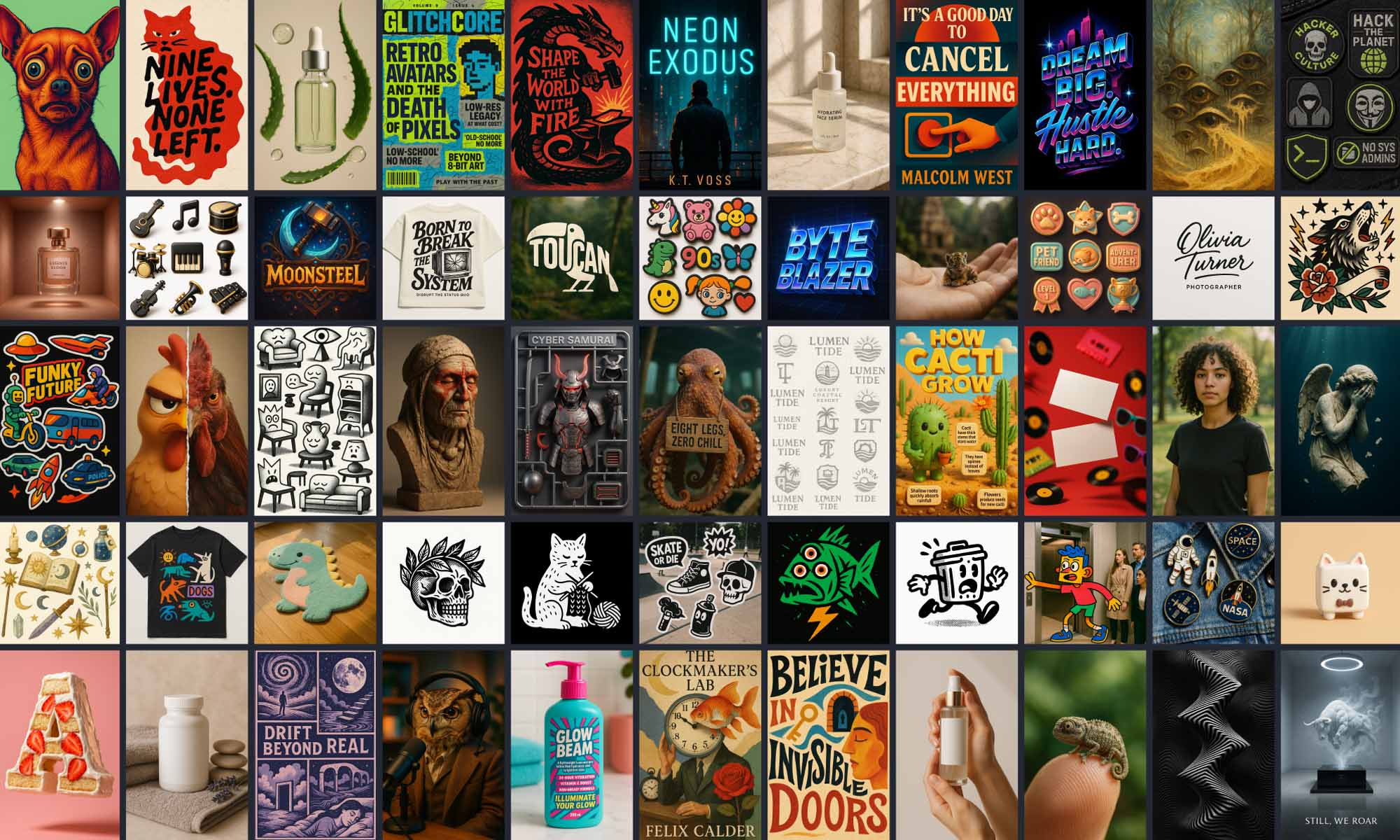
Stop Posting Inconsistent Visuals: AI Image Prompts for Instagram Branding

Someone new finds your Instagram. They tap your profile. They scroll through maybe six posts, maybe eight, and in those few seconds they make a call: follow or leave.
That call is almost entirely visual.
Not caption quality. Not niche. Not even whether your content is genuinely useful. It's whether the feed looks like something. Whether the colors, the mood, the lighting feel like they belong to the same world.
I've worked with clients who had great content but were bleeding followers in those first few seconds. The fix wasn't posting more often. It was posting consistently. And that's where AI image prompts changed everything for me.
This post is about using ChatGPT's image generator to build a real visual brand for Instagram. Not just making pretty pictures. Making pictures that look like yours. Every time.
The Real Problem With an Inconsistent Feed
Most creators don't set out to build a chaotic grid. It happens gradually. One photo with a warm filter. The next one cold. An in-person photo, then a flat lay, then a screenshot, then a quote card with a completely different font. None of it is bad. It just doesn't add up to anything.
Here's what most people miss: new followers process your feed as a unit, not as individual posts. If there's no visual logic connecting the pieces, the message they get is that you don't have a point of view. And that's what makes them scroll past.
The fix isn't a rigid aesthetic that never evolves. It's having a visual system you can actually replicate. A prompt framework you can come back to, again and again, and get consistent results.
So what does that actually look like?
The 5 Parts of a Brand-Consistent AI Image Prompt

Here's what separates a random-looking output from something that actually fits your feed: the prompt needs to carry your brand parameters, not just describe the image you want.
Every strong Instagram image prompt has five parts. Get all five right, and the outputs start looking like they came from the same place.
1. Subject. What's in the image. A coffee mug. A product on a surface. A person reading. An abstract texture. Be specific, not vague.
2. Mood or emotion. The feeling you want to create. Calm and editorial. Energetic and bold. Nostalgic and soft. This shapes every compositional choice the model makes.
3. Color palette. Your brand colors, described precisely. "Warm terracotta, cream, and sage green." Not just "warm tones." The model responds to named descriptors far better than broad categories.
4. Lighting. Soft diffused natural light. Cinematic side lighting. Clean studio backlight with a white surface. Lighting is the single biggest driver of visual consistency across a feed. Most people skip it entirely.
5. Format and composition. Square crop, tight close-up, overhead flat lay, environmental portrait. Tell it how you want the image framed or it'll choose for you.
When all five are in your prompt every single time, the outputs stop feeling random. They start feeling like a feed.
Here's a real example. Lifestyle shot for a wellness brand on Instagram:
That prompt has all five ingredients. Every time you use it — with small variations on the subject — the results land in the same visual world.
Prompt Templates by Content Type

Not every post serves the same purpose, but your brand parameters should travel with you across all of them. Here are frameworks for the three content types that show up most on Instagram.
Product or mockup posts. The focus here is clean presentation: surface, lighting, framing. Mood is secondary to clarity.
Quote card backgrounds. Here the composition carries the image since text gets added in a separate tool. The prompt should focus entirely on texture, tone, and negative space.
Lifestyle shots. This is where personality comes through. Describe a scene, not just a subject. Include what's around it, the time of day, the atmosphere. The more context, the more human the output feels.
Notice that all three of those prompts could use the same color palette descriptor and lighting anchor. That's the point. The subject changes, the brand stays the same.
Building Your Visual System: The 4 Anchors

The real power of prompts isn't in any single image. It's in having a set of core parameters you carry across every prompt you write. Think of it as a brand style guide in four short phrases.
Brand color string. Write one line describing your palette and paste it into every single prompt. "Warm sage green, warm white, terracotta accents." Done. Copy it. Use it every time without thinking.
Lighting anchor. Pick one or two lighting descriptors and commit to them. "Soft diffused natural light" for a calm, organic brand. "Clean bright studio lighting with a white background" for something more polished. Lighting consistency does more visual work than any filter.
Mood keyword. One word that appears in almost every prompt. "Calm." "Bold." "Nostalgic." "Playful." It sounds minimal but it's the fastest way to keep your outputs from drifting in random directions.
Composition rule. If you always post 4:5 crops, say so. If you always want negative space for text overlay, include it. If close-ups are your thing, say "tight close-up composition" every time.
Once you have these four anchors written down, writing a new prompt takes about 30 seconds. You're not rebuilding from scratch. You're just adding a new subject to an existing system.
Honestly, this is how I approach every client brief where social media content is involved. The brand parameters get established in the first session, and after that every prompt is a variation on the same foundation. It keeps the work fast and keeps the output coherent.
If you want a head start, the Marketing & Ads collection at PromptPlaza has prompts built specifically for branded social content. The parameters are already dialed in from real client work, so you're not guessing at what makes an output feel professional.
Frequently Asked Questions
Can I really build a consistent visual brand with ChatGPT alone?
Yes, for most content types. ChatGPT's image generator handles prompt specificity well enough to give you repeatable results when you include brand parameters consistently. It works especially well for product shots, lifestyle aesthetics, backgrounds, and graphic elements. Where it's less reliable is in generating specific people or faces across multiple images, since it doesn't have a persistent character memory built in.
How many prompts do I need to establish an Instagram aesthetic?
Five. One lifestyle shot template. One product or mockup template. One background or texture template. One abstract or pattern template. One quote-card background template. Build those five, get them dialed in, and you have a visual system you can use indefinitely.
What if my outputs keep looking inconsistent even with the same prompt?
You're almost certainly missing one of the five ingredients from earlier: subject, mood, color palette, lighting, or format. Go back through the prompt and add specificity wherever something is vague. "Good lighting" tells the model nothing. "Soft diffused natural light from the left, casting a gentle shadow" gives it something to work with. Specificity is the only lever you have.
Ready to Build a Feed That Looks Like a Brand?
Consistency on Instagram isn't about posting every day or chasing trends. It's about having a visual system you can actually execute. One that makes every post you put out feel like it belongs.
The prompts do that work when they're built right. And building them right is mostly about knowing the five ingredients, picking your four anchors, and using them without deviation.
If you want to skip the trial-and-error phase, the PromptPlaza library has templates built from real brand work. Start with the Mockups & Product Templates if your Instagram is product-focused, or the Logos & Branding collection if you're building out a full visual identity. Either way, the parameters are already there. You just need to use them.
Your feed is a first impression. Make it one that sticks.