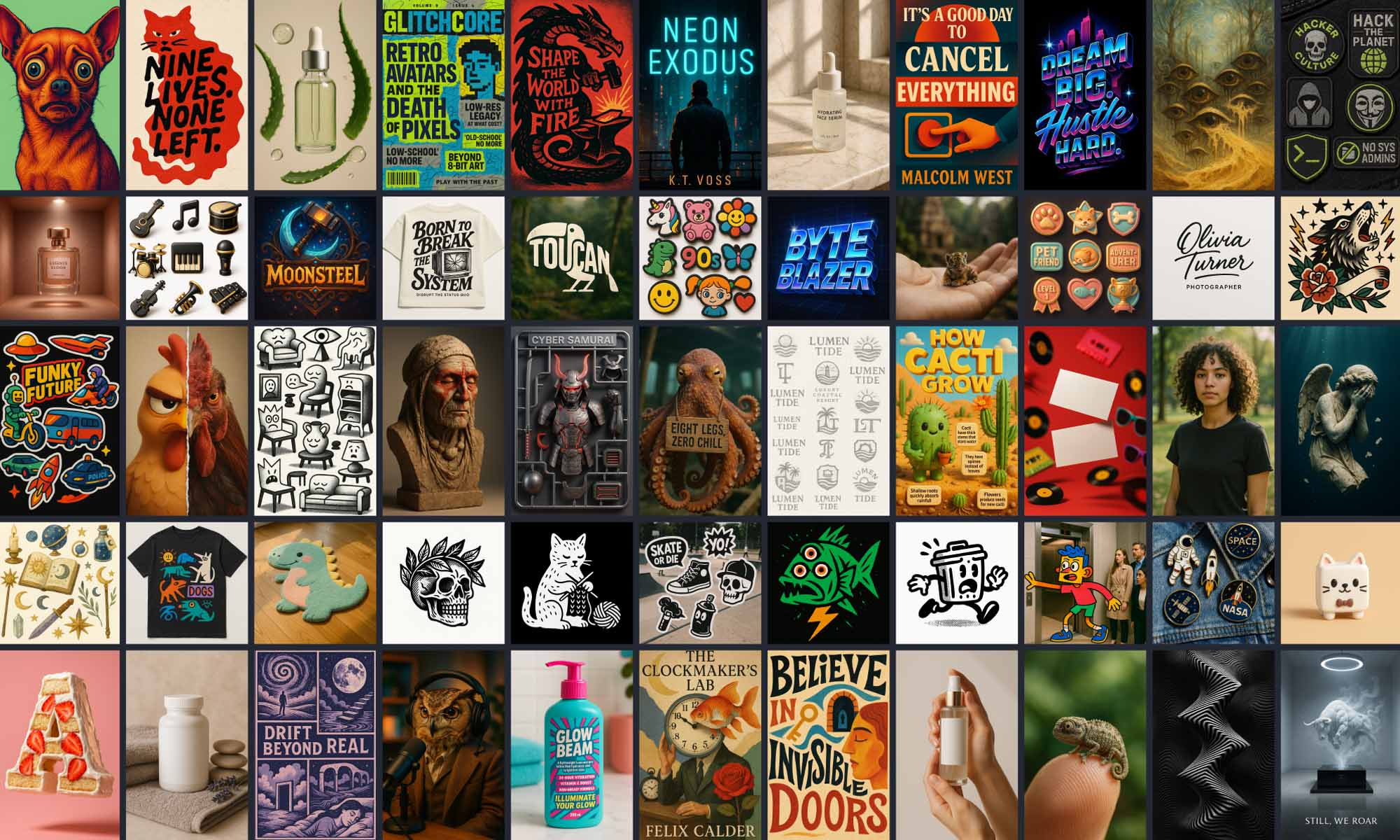
The 10-Minute Mood Board: How Designers Use ChatGPT Images to Win Clients

First-round mood boards used to take me a full afternoon. Gather references from Pinterest, pull color palettes, find typography samples, screenshot lifestyle images, drag it all into Figma or Canva, try to make it look coherent. By the time the client saw it, I'd spent 4 to 5 hours on something that might get thrown out entirely.
That's not how it works anymore. I use ChatGPT's image generator to build client-ready mood boards in under 10 minutes, with multiple directions. The first round is exploratory, so speed matters more than perfection. And showing three directions instead of one changes the whole dynamic of the kickoff call.
Here's the exact process. And the prompts.
What Clients Actually Need From a First-Round Mood Board
Most designers overcomplicate this. A first-round mood board is not a finished deliverable. It's a communication tool. Its job is to get a "warmer, more minimal, different color family" out of the client so you can build the real thing.
Which means it needs to be coherent enough to react to, not perfect enough to ship. That changes everything about how you should spend your time making it.
The elements that matter: a color direction, a texture or material feel, a typography tone, and one or two lifestyle or mood images. That's it. Four to five tiles. If you can communicate those four things clearly, the client has enough to give you real feedback.
ChatGPT generates all of this in a single prompt. A well-structured mood board in one image, labeled, coherent, ready to drop into a PDF or present on a call.
The 10-Minute Process
This is the actual workflow I use.
Step 1: Write the brief in 2 sentences. Client name, industry, the one word that describes the vibe they're after. "Upscale wellness brand, female 35-50, wants 'grounded luxury.'" That's enough.
Step 2: Generate the mood board image. One prompt, one output. I use the template below and fill in the brand details. Takes about 45 seconds to write, 60 seconds to generate.
Step 3: Generate 2 variations. Swap the color direction and one or two other variables. "Warmer, earthier, more terracotta and cream" versus "cooler, more forest green and white." Now you have 3 distinct directions from a total of 3 prompts.
Step 4: Drop into a presentation. I paste the three mood board images into a simple slide deck, one per slide, brief label at the bottom. Done. That's what the client sees on the kickoff call.
Total time: 8 to 12 minutes, not 4 to 5 hours. And the client experience is better (more options, faster delivery) not worse.

The Prompts That Actually Work
What does a bad mood board prompt look like? "Create a mood board for a luxury brand." What comes back is vague, stock-photo energy. No coherence, no specific palette, nothing a client can react to.
A good prompt specifies the color direction, the material or texture feel, the typography tone, the lifestyle reference, and the overall mood. All five. Every time.
Mood Board Prompt Template
To make a second direction, keep the structure and swap the palette, texture, and mood word. Here's a warmer variation:

Presenting Three Directions Instead of One
This is the part that actually changes the client relationship. When you show one mood board, the client either likes it or doesn't. When you show three, they compare. And comparison is how creative feedback gets useful.
"I like the color of the first one but the texture feeling of the third." That's a brief. That's something you can build a real direction from. You don't get that from a single option.
The other thing it signals: you've thought about their brand from multiple angles. That professionalism, showing range, showing that you explored, is worth more to a client than any single beautiful board. It communicates process. It communicates confidence.
For brand identity work especially, the Visual Brand Identity Grid Boards prompt is worth keeping in the toolkit. It generates modular brand grids with logos, type, and palette all composed together, one step further than a mood board, useful once the direction is locked. And the Expert Logo Concept Sketch Pages prompt creates hand-drawn sketch pages that are perfect for showing early concept exploration to clients who want to see the thinking, not just the output.
The Full Workflow at a Glance

The workflow above is the one I repeat on every new project. Brief in two sentences, three generated boards, one clean presentation. It's not replacing the design work. It's eliminating the time-sink before the design work starts.
The Art and Illustration collection at PromptPlaza has prompts built specifically for this kind of presentation-ready visual work, all tested against real client briefs. Worth bookmarking if you do this regularly.
Frequently Asked Questions
Can I use these mood board images in actual client deliverables?
Yes. For paid ChatGPT subscribers, commercial use of generated images is permitted under OpenAI's current terms. Using them in client presentations, pitch decks, and brand proposals is fine. Always verify with OpenAI's current usage policy before using in any published or licensed context.
What if the client asks how I made the mood board?
Be honest. Most clients don't care about the tool, they care about the result and your thinking. "I used AI to rapidly explore three visual directions based on your brief" is a feature, not a confession. Clients who value speed and range will see it as an advantage.
How specific does the brief need to be?
More specific is always better, but even a two-word vibe description improves the output dramatically. "Modern apothecary" or "coastal kids brand" gives the prompt enough to work with. You can refine from there.
Does this work for non-branding projects?
Yes. Interior design, fashion, editorial, event design — any field where you're communicating visual direction to a client before the actual work begins. The structure of the prompt changes slightly by discipline, but the approach is the same.
Start Winning the Kickoff Call
The kickoff call is where projects are won or lost. Show up with one vague reference image and the client is leading. Show up with three coherent, well-considered directions and you're leading. That shift in dynamic follows the whole project.
Ten minutes is a low bar. The prompts above are copy-paste ready. There's no reason the next kickoff call shouldn't go differently.